In the world of flavor, some concepts go beyond a single ingredient. Rempah is one of them. For bartenders and flavor-driven creators, understanding rempah opens the door to a deeper, more layered approach to cocktails, one that connects taste, memory, and culture.
What is Rempah?
Rempah is a Southeast Asian concept that refers to a blend of spices, herbs, and aromatics used as the foundation of many traditional dishes.
The term itself originates from the Malay and Indonesian languages, and is primarily used in Indonesia, Malaysia, Singapore, and within Moluccan communities. Across these regions, rempah forms the backbone of countless recipes and flavor traditions.
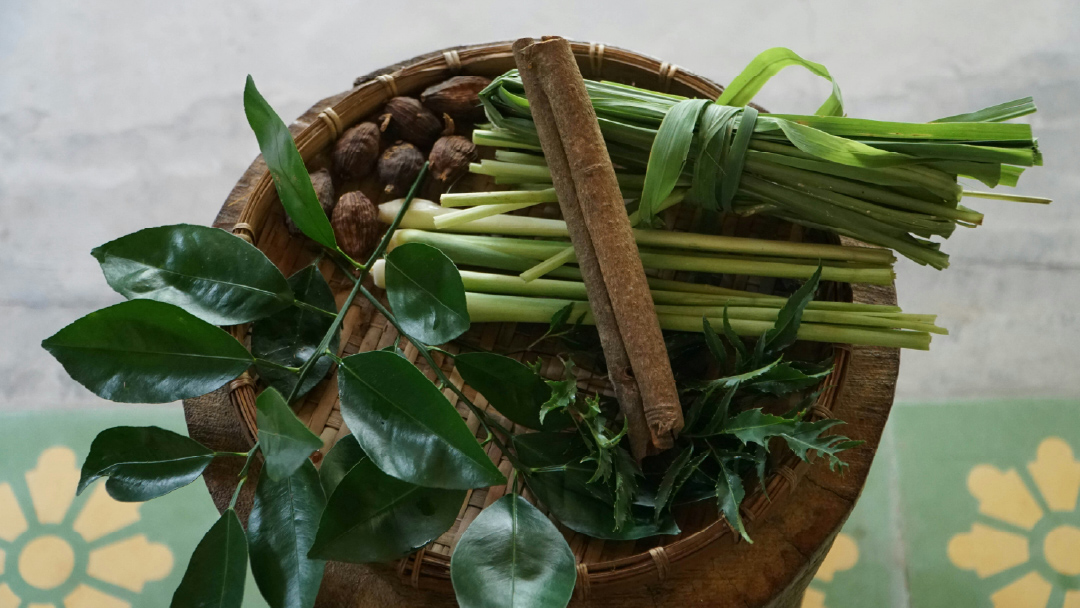
Rather than a fixed recipe, rempah is a flexible combination, often including ingredients like ginger, galangal, lemongrass, turmeric, cinnamon, clove, and nutmeg. These elements are typically ground or blended into a paste, forming the aromatic base of a dish.
In essence, rempah is not just a mix of spices. It’s a way of building flavor, layered, warm, and deeply expressive.
Rempah as a cultural memory
Beyond its culinary function, rempah carries emotional weight.
It represents what could best be described as “the spice cabinet of grandma”, a collection of familiar aromas that instantly trigger memories of home, family, and tradition.
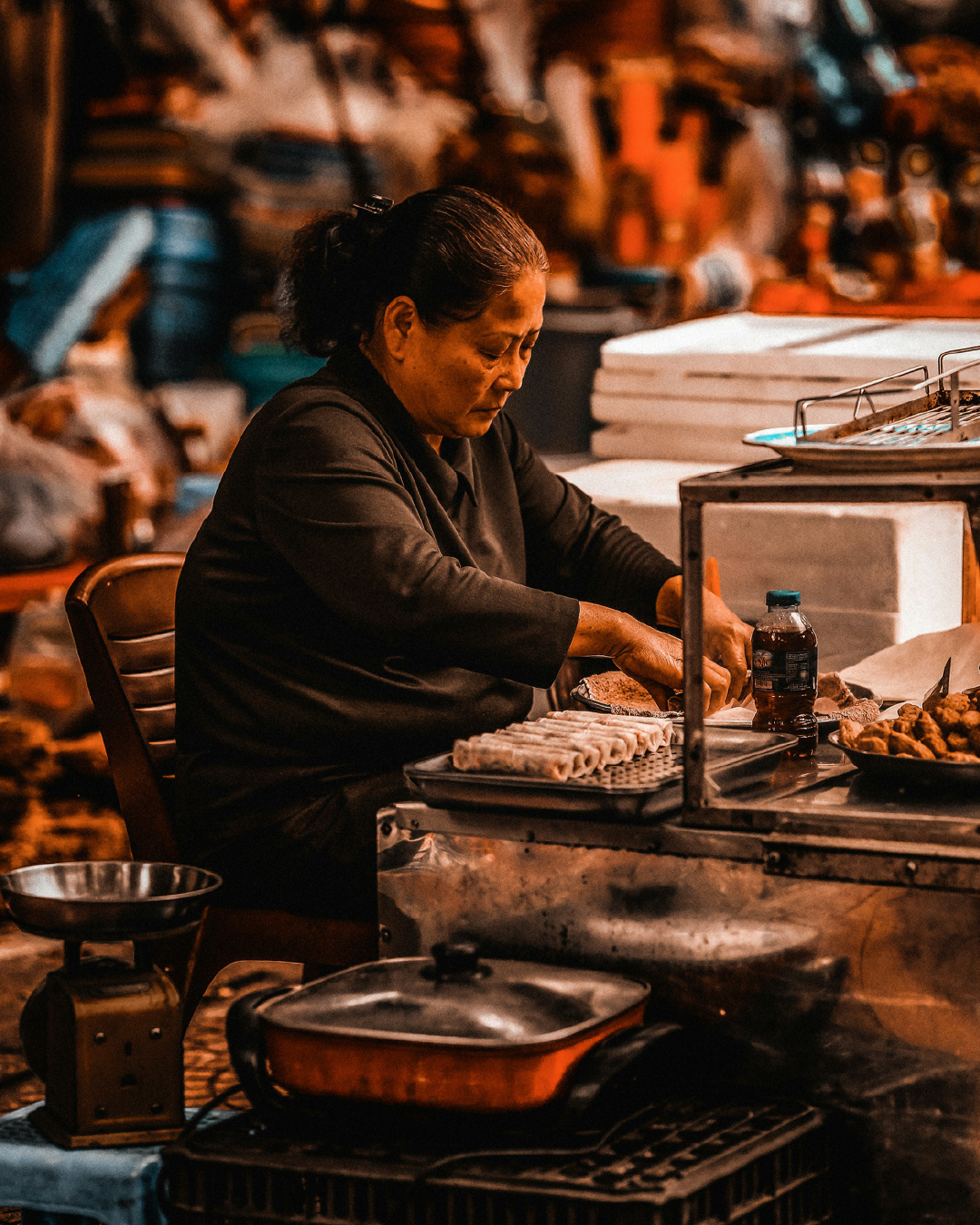
For many, the smell of rempah is nostalgic. It’s the scent of slow cooking, shared meals, and recipes passed down through generations. That emotional connection is what makes rempah more than just flavor, it’s identity.
What Rempah means for Bandoeng’22
At Bandoeng’22, rempah is not just a reference, it is a core inspiration.
The flavor profile of Bandoeng’22 Pandan Liqueur is built around this idea of layered spice. Notes of cardamom, nutmeg, clove, and cinnamon are intentionally combined to create depth and warmth, supporting the distinctive character of pandan.
In this context, pandan is not a standalone flavor. It is part of the rempah framework, adding softness, aroma, and a signature “Asian vanilla” note that ties everything together.
Rempah, for us, is about balance. Not one dominant spice, but a harmonious blend designed for both culinary and cocktail applications.
Why Rempah matters in modern cocktails
The global bar scene is shifting. Bartenders and consumers alike are increasingly drawn to more complex, culturally rooted flavors.
Asian ingredients and flavor profiles are becoming more visible in cocktails, from yuzu and matcha to sesame, shiso, and pandan. Within this movement, rempah offers something unique: structure.
Instead of adding a single exotic ingredient, rempah introduces a layered flavor system. It allows bartenders to build cocktails with more depth, warmth, and complexity, without losing balance.
This is particularly relevant in:
- Rum and whisky-based drinks, where spice and warmth enhance the base spirit
- Highballs and long drinks, where subtle complexity elevates simple serves
- Dessert-style cocktails, where spice blends create familiarity and indulgence
Rempah in practice behind the bar
Working with rempah-inspired flavors in cocktails doesn’t require complexity.
It’s about understanding how spice, aroma, and sweetness interact.
Bandoeng’22 Pandan Liqueur makes this accessible. By integrating rempah-inspired spices into a balanced liqueur, it allows bartenders to easily introduce layered Asian flavors into their drinks, without building everything from scratch.
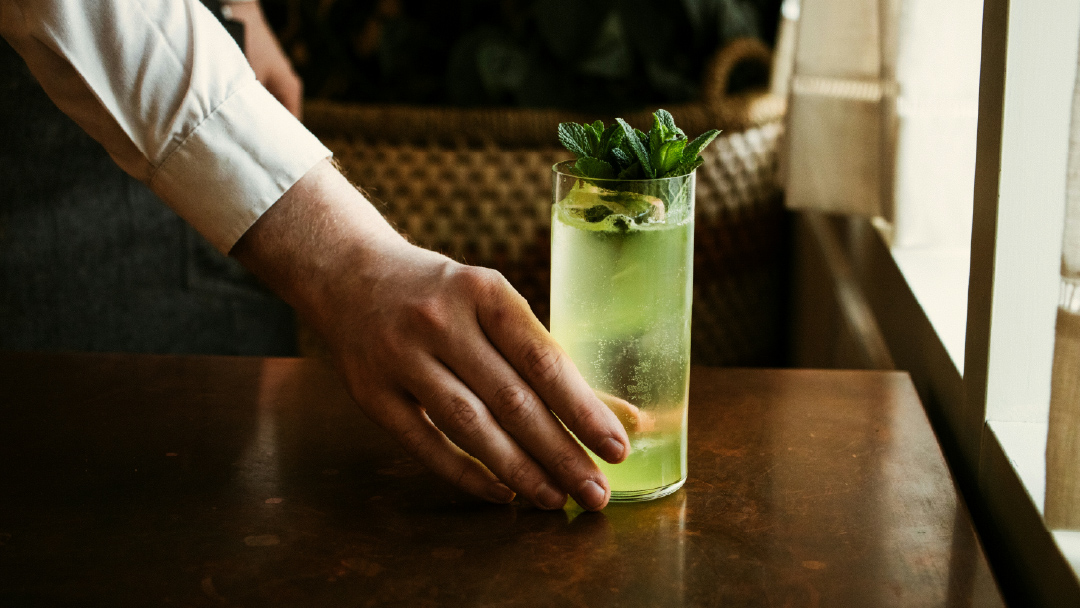
From a Pandan Highball to a spiced twist on a classic sour, rempah adds a distinctive signature while remaining versatile.
Looking ahead: Rempah as a flavor direction
Rempah is not limited to one product or one category.
It is a source of inspiration for future flavor development, both within Bandoeng’22 and across the wider industry. As interest in Asian cuisine and ingredients continues to grow, rempah offers a framework for creating new, relevant, and authentic taste experiences.
From pandan to lemon grass and beyond, the influence of rempah is only just beginning to show its potential in cocktails.

Pandan Cocktail Recipes Created by Bartenders
Around the world, bartenders are experimenting with pandan in creative and unexpected ways. From tropical highballs and elegant sours to modern twists on classic cocktails, pandan offers endless possibilities behind the bar.
At Bandoeng’22 we collaborate with bartenders from different countries and cocktail cultures to develop unique pandan cocktail recipes. These creations range from drinks like the Pandan Daiquiri, Pandan Maid, Strawberry Pandan Margarita and Pandan Rice Negroni to more experimental signature serves developed by mixologists in cocktail bars across Europe and beyond.
Each recipe highlights a different aspect of pandan’s character — its aromatic sweetness, its compatibility with spirits like rum, gin or tequila, and of course its distinctive emerald-green appearance in the glass.
If you’re a bartender looking for inspiration, explore our collection of pandan cocktail recipes created by bartenders