Pandan is part of my heritage
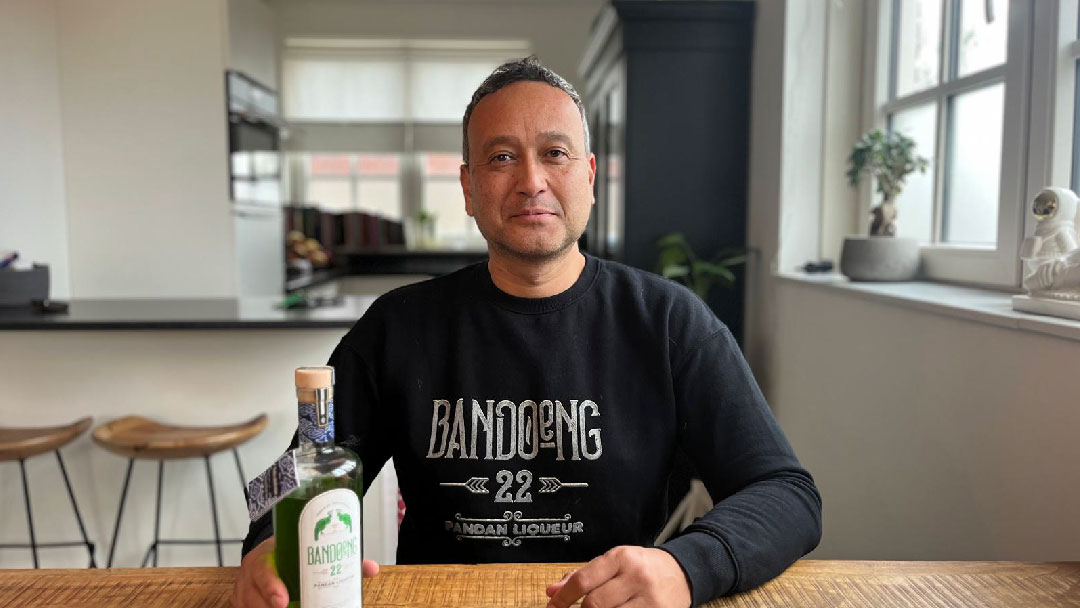
My name is Marc Pieplenbosch, and I am one of the co-founders of Bandoeng’22. I live and work just outside Rotterdam, in Berkel en Rodenrijs. Born in Delft, I am a third-generation Indo-Dutch and part of the Indo community in the Netherlands. That heritage has shaped not only who I am, but also the way I look at flavour, hospitality and entrepreneurship.
For me, Bandoeng’22 is much more than a liqueur. It is a way to bring part of my roots to life through aroma, taste, story and experience.
From Sayah to Bandoeng’22
In 2013, I launched Sayah Spekkoek Liqueur, inspired by my Indo grandmother’s recipe and by the flavor of spekkoek, the layered cake that became well known in the Netherlands through the former Dutch East Indies.
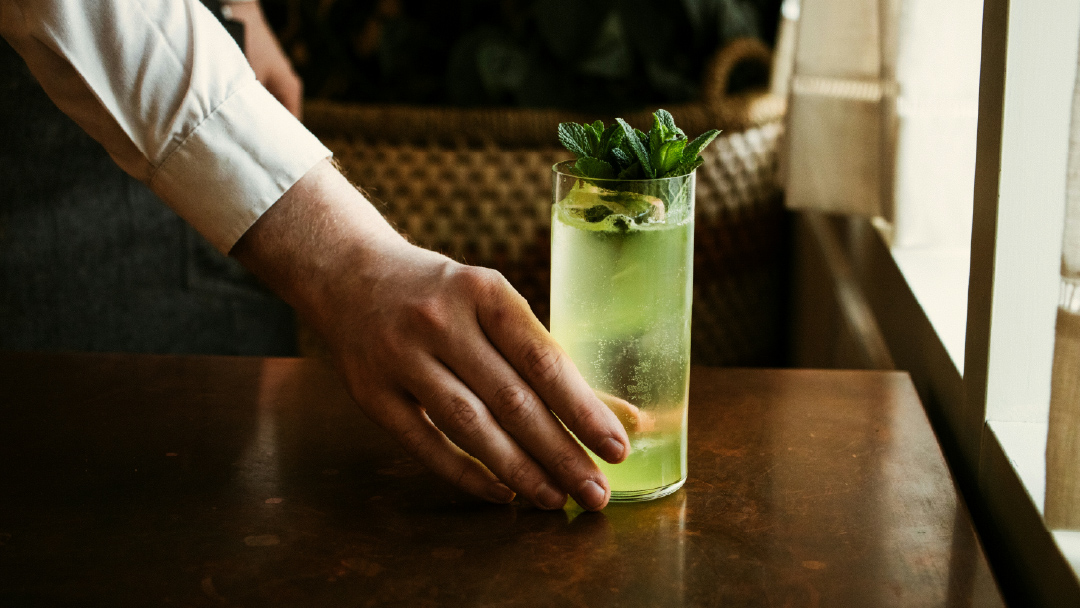
In 2019, we introduced Bandoeng’22. I often see it as the bigger brother of Sayah. Where Sayah is closely linked to after-dinner moments, coffee and indulgence, Bandoeng’22 was created first and foremost with cocktails in mind.
Both products are deeply personal to me, but Bandoeng’22 gave me the opportunity to translate my heritage into a more global and contemporary drinks concept.
Indo heritage and the flavours I grew up with
Being Indo means carrying both Dutch and Indonesian ancestry, with family roots on Sumatra, Java and other islands of the former Dutch East Indies.
A central part of that culture has always been the kitchen. Indo cooking is rich in herbs, spices and layered aromas, and those flavours were part of my upbringing from an early age. They are still part of how I recognise comfort, identity and home.
Why pandan has always stayed with me
One ingredient in particular has always stood out to me: pandan. A key element in Indo cooking, used in steamed rice, homemade essences, syrups, green cakes, desserts and drinks. Pandan has always been part of my life.
That feels exactly right. Pandan is not something I discovered later as a trend or a flavor curiosity. It belongs to the food culture I grew up with. It is woven into memories of family cooking, sweets, drinks and the aromatic world of the Indo kitchen.
I still have family in Indonesia, and over the years I have visited relatives in places such as Bali and Java. On those trips, I saw how naturally pandan is part of everyday life, not only in food, but also in cultural and religious contexts.
Bandung, memory and imagination
The city of Bandung holds a special place in my imagination. My grandmother often spoke about her younger years there, remembering cocktail parties, jazz, the glamorous social life, Art Deco buildings, and the surrounding rice paddies and pandan fields. Those stories stayed with me. They gave Bandung a kind of romance and atmosphere that never really left. That sense of elegance, nostalgia and cultural layering also found its way into the world of Bandoeng’22.
My role within Bandoeng’22
At Bandoeng’22, I focus on marketing and product development. That part of the work gives me enormous energy. I love introducing people to pandan, showing how versatile it can be, and helping bartenders and chefs discover how beautifully it works in cocktails, desserts and food pairings. For me, that is where heritage becomes something alive and contemporary.
Bringing joy through flavour and story
What drives me most is simple: I want to bring joy to people through our liqueurs. Bandoeng’22 allows me to do exactly that. It brings together entrepreneurship, hospitality, creativity and cultural identity in a way that feels deeply meaningful to me. Every bottle carries not only flavour, but also memory, craftsmanship and a piece of where I come from.
Pandan is part of my heritage.

Do you want to know more about Pandan?
From here, you can discover more about pandan through our related insights on its aroma, taste and color, learn why Bandoeng’22 is known for its emerald green character, and explore how pandan works beautifully in cocktails, desserts and Asian food pairings. You can also visit our product page to discover the story and flavor behind Bandoeng’22 Pandan Liqueur.