What does pandan taste like? Pandan has a unique flavor that is often described as soft, nutty and slightly sweet, with notes of vanilla, toasted coconut and almond. While raw pandan leaves can taste grassy and a little bitter, cooking transforms them into the warm, comforting flavor that is loved across Southeast Asia.
What does pandan taste like?
The taste of pandan is unlike almost anything else. It is often described as a delicate blend of vanilla, toasted coconut and almond, with a soft sweetness that feels both comforting and distinctive.
What do raw pandan leaves taste like?
Raw pandan leaves do not immediately taste like the familiar pandan flavor people know from desserts and drinks. In their raw form, they are greener, grassier and slightly bitter, closer to fresh-cut grass or green tea.
How cooking changes the flavor of pandan
Pandan develops its best-known flavour through cooking, steaming or infusion. As the leaves are heated, their flavor softens and deepens, releasing the warm, mellow and slightly sweet notes that make pandan so versatile in desserts, rice dishes and drinks.
Why pandan flavor is so distinctive
Pandan doesn’t hit the palate in a loud or sharp way. Instead, it gently adds rounded sweetness and aromatic depth.

The taste of pandan in Southeast Asian food
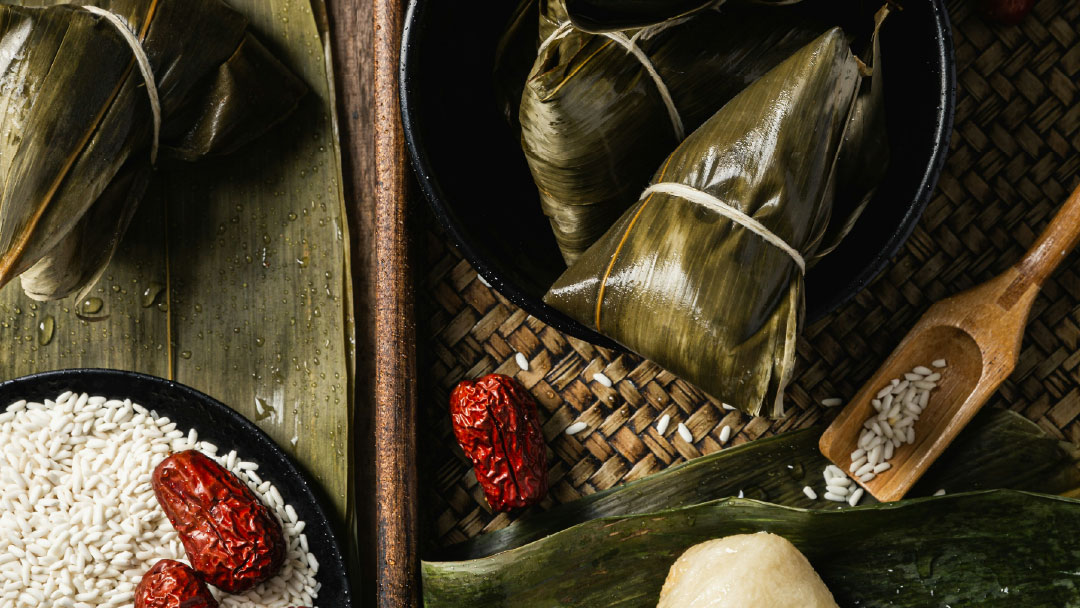
Across Southeast Asia, pandan flavor is deeply familiar. It appears in cakes, sweets, rice dishes and drinks, where it is associated with warmth, home and comfort.
How Bandoeng’22 captures the taste of pandan
At Bandoeng’22, the goal is not to capture the raw leaf, but the cooked essence of pandan, the evolved, full-bodied flavour that emerges through infusion and tradition.
Pandan flavor in cocktails, desserts and coffee
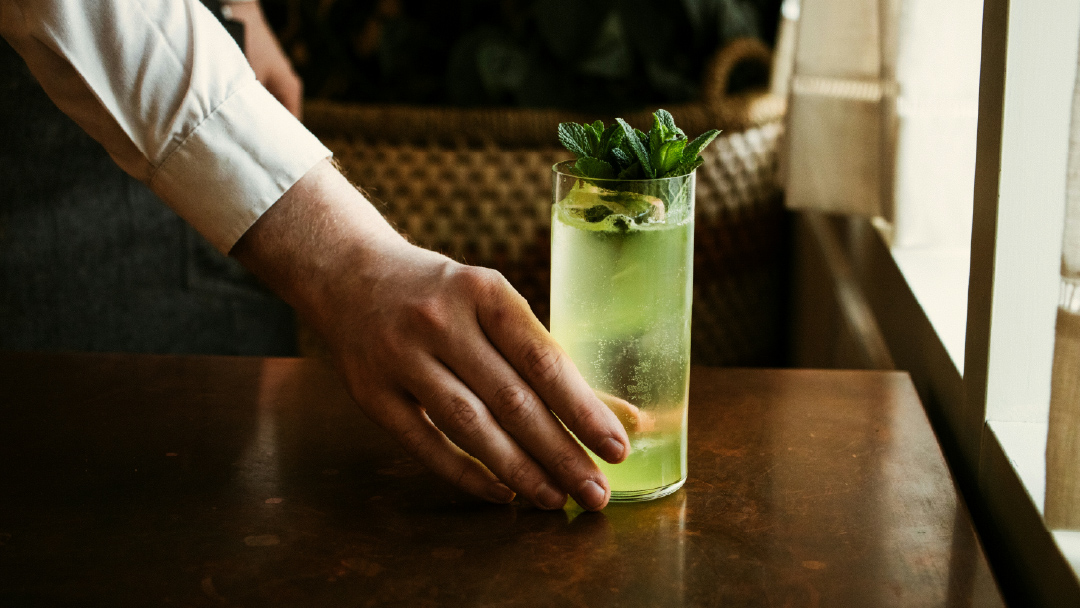
Because pandan is soft, layered and recognisable, it works beautifully in modern serves. In Bandoeng’22, pandan flavor is used to elevate cocktails, desserts and coffee with an Asian twist.
Frequently asked questions about the taste of pandan
What does pandan taste like?
Pandan tastes soft, slightly sweet and nutty, often with notes of vanilla, toasted coconut and almond.
Does pandan taste like vanilla?
Pandan is often compared to vanilla, but it also has greener, nuttier and more coconut-like notes that make it distinct.
Do raw pandan leaves taste the same as cooked pandan?
No. Raw pandan leaves taste greener, grassier and slightly bitter, while cooking brings out the softer, sweeter and more recognisable pandan flavor.
Why is pandan flavour so popular?
Pandan flavour is loved because it is comforting, distinctive and versatile in both traditional and modern dishes and drinks.
How is pandan flavour used in Bandoeng’22?
Bandoeng’22 captures the cooked essence of pandan and uses it as the heart of its pandan liqueur for cocktails, desserts and coffee.
Do you want to know more about Pandan?
From here, you can discover more about pandan through our related insights on its aroma, taste and color, learn why Bandoeng’22 is known for its emerald green character, and explore how pandan works beautifully in cocktails, desserts and Asian food pairings. You can also visit our product page to discover the story and flavor behind Bandoeng’22 Pandan Liqueur.