Food, fragrance and tradition on the Island of the Gods
For many people, the aroma of pandan brings back a feeling rather than a precise memory. It may remind them of a tropical dessert, a fragrant rice dish, a sweet drink or even a holiday in Southeast Asia. Bali is one of those places where pandan is woven naturally into daily life. On the island, pandan is appreciated not only for its flavor and color, but also for its fragrance, symbolism and presence in ritual.
That is what makes pandan in Bali so fascinating. It is not simply an ingredient. It is part of the atmosphere.
Why pandan feels so familiar in Bali
Pandan, or Pandanus amaryllifolius, is a fragrant tropical plant widely used across Southeast Asia for flavouring foods and drinks. Its scent is often described as soft, sweet, green and slightly reminiscent of vanilla or fragrant rice, which helps explain why so many people find it instantly familiar.
In Bali, that fragrance appears in multiple settings at once. You encounter pandan in traditional sweets, in rice and coconut-based dishes, in warm or chilled drinks, and also in ceremonial life, where aromatic leaves and woven plant materials contribute to offerings and decorations. That combination of culinary and cultural presence gives pandan a special place on the island.
Pandan in Balinese cuisine
In Balinese food, pandan is valued for three things: aroma, color and softness of flavor. It can perfume a dish gently without overpowering it, and it brings a recognisable green identity to many sweets and snacks. Across Southeast Asia, pandan leaves are commonly used in rice dishes, cakes, desserts and drinks, either as whole leaves, as an infused liquid or as extracted juice.
In Bali, pandan is especially at home in sweet dishes. Familiar examples include klepon, the soft glutinous rice balls filled with palm sugar; dadar gulung, green rolled pancakes with coconut filling; and bubur injin, a rich black rice pudding often perfumed with pandan. These dishes show how naturally pandan works with coconut, palm sugar and rice-based textures.
Pandan also appears in savoury preparations. Leaves may be tied into knots and cooked with rice to release fragrance, or used around ingredients during cooking to add aromatic depth. This is one reason pandan remains so versatile: it can move easily from sweet comfort foods to more savoury, fragrant dishes.
Pandan in Balinese drinks
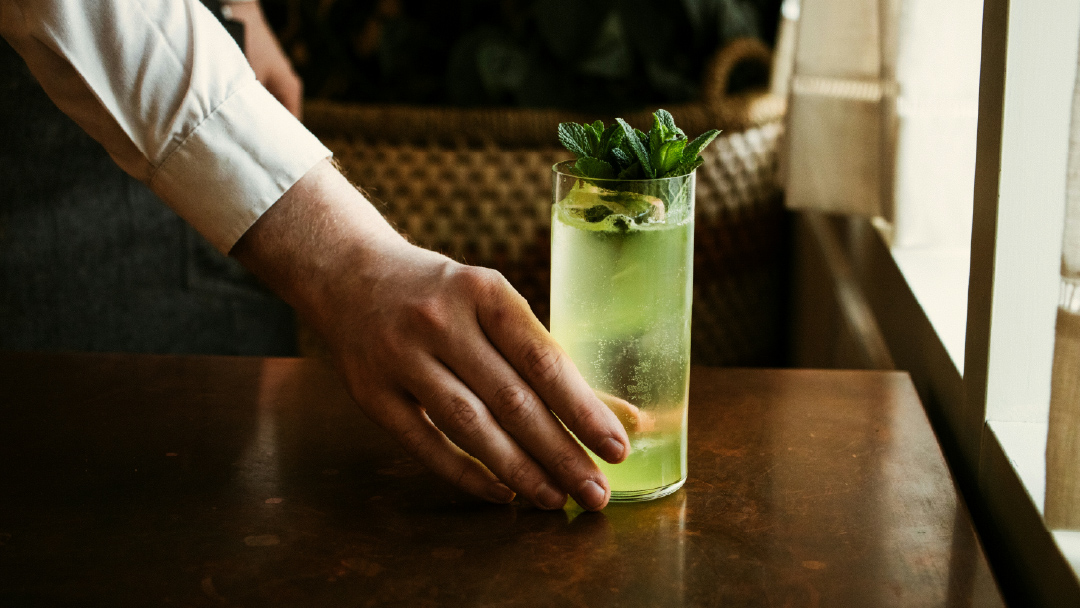
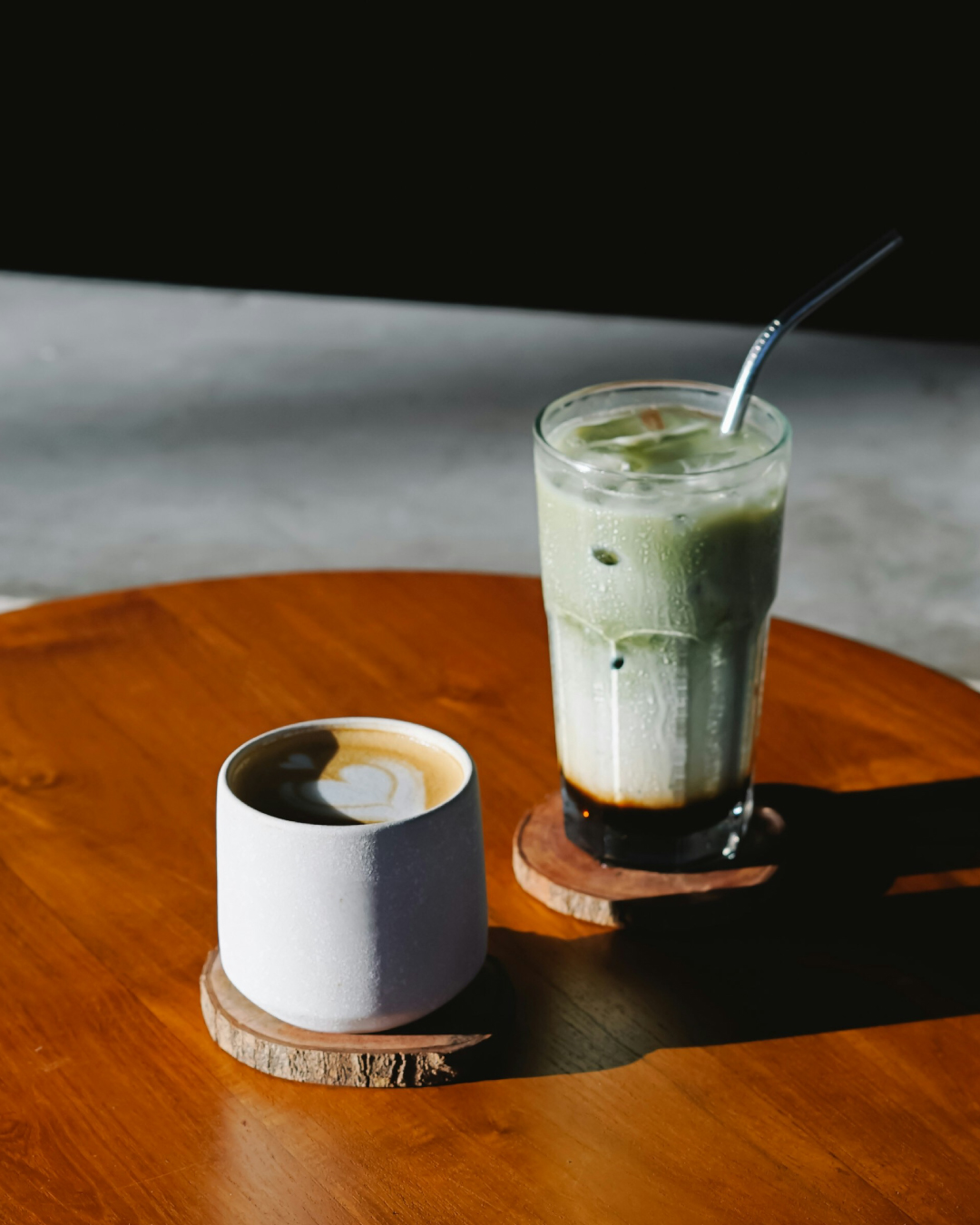
Pandan is equally appealing in beverages. It can be simmered into tea, infused with coconut, or used to round out sweet refreshing drinks. Because its aroma is expressive but gentle, pandan works beautifully in drinks that need fragrance without heaviness.
That same quality also explains why pandan continues to inspire modern cocktail culture. It feels distinctive, exotic and elegant, yet still approachable. For many visitors to Bali, that soft aromatic profile becomes part of the sensory memory of the island.
Pandan in Balinese ritual and daily life
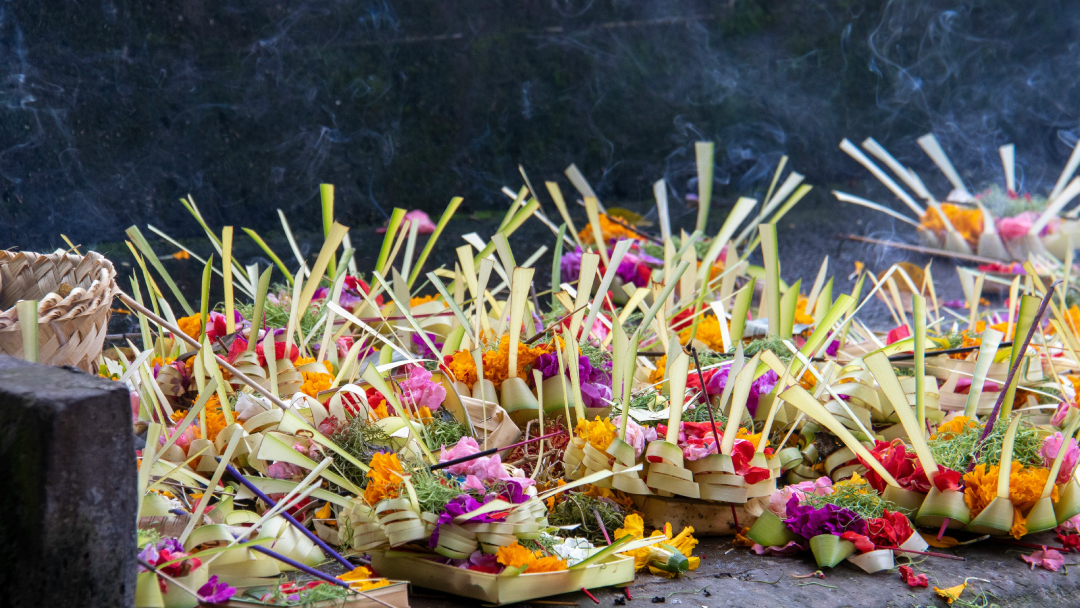
In Bali, pandan is not only culinary. It is also part of the visual and spiritual language of the island. Daily offerings known as canang sari are an essential part of Balinese Hindu practice, and offerings often include carefully arranged natural materials, flowers, incense and woven elements made from leaves. Several sources describing Balinese offerings note the use of pandan leaves in ceremonial contexts and in small offering trays or ritual decorations.
That matters because it shows that pandan in Bali is not just something you taste. It is something you see and smell in temples, on streets, at entrances and in family compounds. It contributes to the island’s atmosphere of fragrance, beauty and devotion. This helps explain why visitors may associate the scent of pandan not only with food, but with Bali itself.
Pandan as craft, texture and tradition
Beyond food and ritual, pandan leaves are also used in practical and decorative ways. Across Indonesia and Bali, leaves from pandan plants are woven into household and ceremonial items such as baskets, mats and decorations. This craft use reflects the broader Southeast Asian tradition of working with plant materials that are both functional and beautiful.
This adds another layer to pandan’s role in Bali: it is not only an aroma or flavor, but also a material tied to touch, craftsmanship and visual culture.
Why pandan in Bali matters to Bandoeng’22
At Bandoeng’22, pandan is at the heart of everything we do. Its aroma, taste and natural green identity inspired our liqueur from the very beginning. Bali is one of the places that helps people understand why pandan leaves such a strong impression: the ingredient is present in food, in hospitality, in ceremony and in memory.
That is why so many people who discover Bandoeng’22 say the flavour feels familiar, even when they cannot place it right away. Often, what they are recognising is the world of pandan they encountered in Southeast Asia, and especially in Bali.
Discover the world of pandan
Pandan in Bali shows how one ingredient can connect taste, scent, color, ritual and memory. It is a beautiful example of how culinary culture extends far beyond the plate or the glass. For us, that is exactly what makes pandan so special.
Discover how this iconic Southeast Asian ingredient comes to life in Bandoeng’22 Pandan Liqueur, and explore our cocktails, desserts and pandan-inspired serves.
FAQ: Pandan in Bali
What is pandan used for in Bali?
In Bali, pandan is used in desserts, rice dishes, drinks, ritual contexts and woven decorative or practical items. It is valued for its aroma, colour and cultural significance.
Is pandan used in Balinese desserts?
Yes. Pandan is commonly used in sweets such as klepon, dadar gulung and bubur injin, where it adds fragrance and often a recognisable green colour.
Is pandan part of Balinese offerings?
Pandan leaves are used in ceremonial contexts in Bali and are associated with offerings, decorations and woven elements connected to Balinese Hindu practice.
Why does pandan remind people of Bali?
Pandan is present in many sensory parts of Balinese life, from food and drinks to ritual spaces and daily offerings. That broad presence makes its aroma strongly associated with the island for many visitors. This is an inference based on documented culinary and ceremonial uses of pandan in Bali.
How is pandan connected to Bandoeng’22?
Bandoeng’22 Pandan Liqueur is inspired by the aroma, taste and color of pandan. Bali helps illustrate how deeply expressive pandan can be across food, culture and hospitality.
Do you want to know more about Pandan?
From here, you can discover more about pandan through our related insights on its aroma, taste and color, learn why Bandoeng’22 is known for its emerald green character, and explore how pandan works beautifully in cocktails, desserts and Asian food pairings. You can also visit our product page to discover the story and flavor behind Bandoeng’22 Pandan Liqueur.