Where Is Pandan Used? The Global Journey of Pandan Leaves
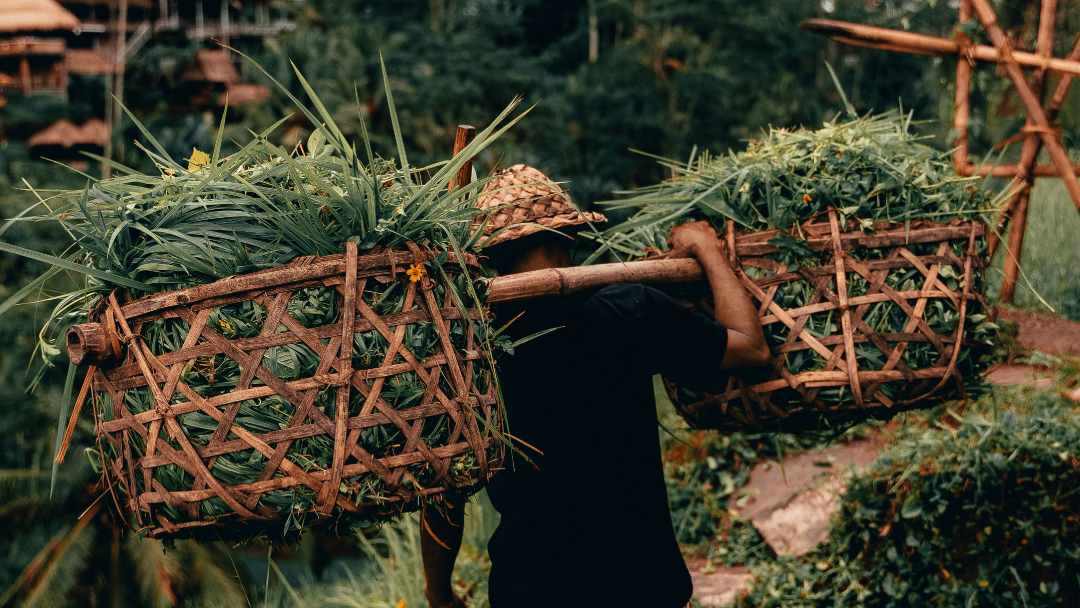
Pandan originates in Southeast Asia, but its aroma, flavor and natural green color have travelled far beyond the region. Today, pandan is used in many countries around the world in desserts, drinks, rice dishes and contemporary culinary creations. Through migration, trade and culinary curiosity, pandan has grown from a regional ingredient into a globally appreciated flavor.
Where is pandan used around the world?
Pandan is used most widely across Southeast Asia, where it has long been valued for its fragrance, flavor and color. Over time, it has also found a place in food culture beyond Asia, including in the Netherlands, Japan and the United States.
Pandan in Indonesia
In Indonesia, pandan is a familiar ingredient in desserts, cakes and beverages. It is loved not only for its taste and fragrance, but also for its connection to everyday cooking, celebrations and tradition. Popular examples include klepon, dadar gulung and pandan cake. Pandan also has a place in cultural and ceremonial use, which reflects how deeply rooted the ingredient is in Indonesian life.
Pandan in Malaysia
In Malaysia, pandan is widely used in both sweet and savoury dishes. It appears in classics such as nasi lemak and in traditional kuih such as seri muka and onde-onde. Pandan is also used in drinks, showing how versatile the ingredient is across different moments of the day.
Pandan in Thailand
In Thailand, pandan is known as bai toey. It is used in both savoury and sweet applications, bringing fragrance, colour and a recognisable character to the dish or drink. Well-known examples include pandan chicken, khanom chan and pandan water.
Pandan in the Philippines
In the Philippines, pandan is especially popular in desserts and festive rice dishes. Its soft aroma and green appearance make it a natural fit for comforting, celebratory foods. Familiar examples include buko pandan, pandan rice and pandan iced tea.

Pandan in Vietnam
In Vietnam, pandan is used to flavour and colour snacks, sticky rice dishes and beverages. It adds a gentle aromatic note and a fresh green identity to many preparations. Examples include bánh kẹp lá dứa, xôi lá dứa and pandan juice.
Pandan in Singapore
In Singapore, pandan is part of both traditional and modern food culture. It appears in classic sweets, café drinks and contemporary desserts, showing how naturally pandan moves between heritage and innovation. Well-known examples include pandan chiffon cake, chendol and pandan milk tea.
Beyond Southeast Asia
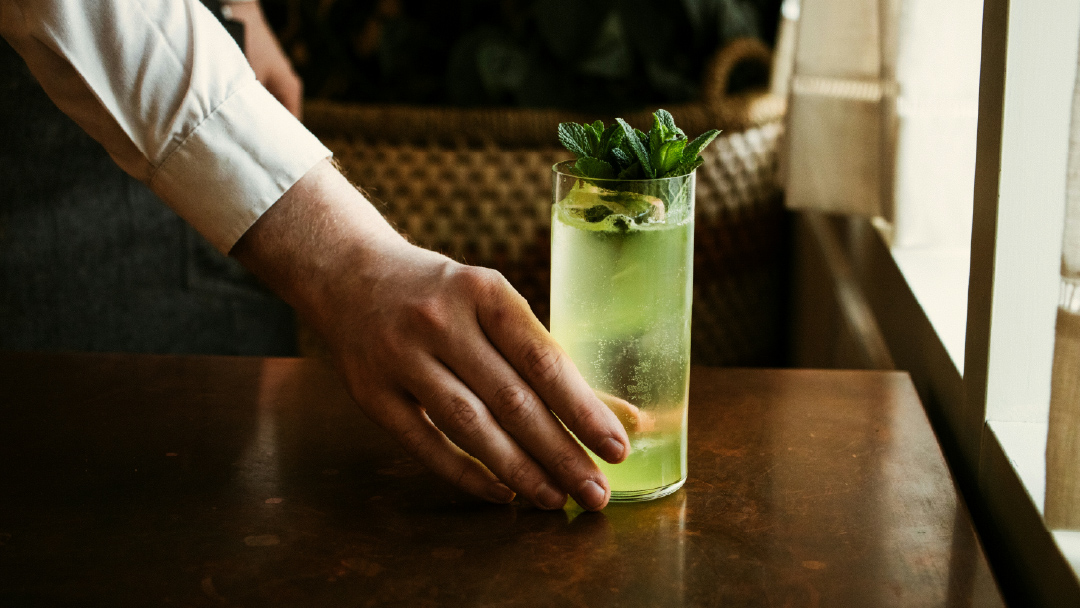
Pandan’s story does not stop in Southeast Asia. In Japan, it appears in fusion desserts such as mochi and ice cream. In the United States, pandan has become more visible through Southeast Asian communities, specialty stores, restaurants and chefs using it in desserts, pastries and cocktails. This wider spread shows how pandan continues to gain recognition as a distinctive and versatile flavour ingredient.
Pandan in the Netherlands
In the Netherlands, pandan is closely connected to Dutch-Indonesian food culture. Through Indo-Dutch communities, pandan found its way into Dutch kitchens and shops in the form of pandan cake, pandan spekkoek, chendol and other familiar treats. This makes the Netherlands an important part of pandan’s global journey. It is also the home market where Bandoeng’22 Pandan Liqueur was first introduced.
Why pandan’s global journey matters
The global spread of pandan shows how flavour travels through family traditions, migration, trade and creativity. Ingredients that begin in one region can take on new life in other countries, while still staying connected to their roots. Pandan is a beautiful example of how culinary heritage can continue to inspire new generations of cooks, bartenders and food lovers around the world.
Discover pandan through Bandoeng’22
At Bandoeng’22, the global story of pandan comes together in a modern liqueur inspired by Dutch-Indonesian heritage. Our pandan liqueur brings aroma, taste and colour into cocktails, desserts and after-dinner serves, while staying connected to the ingredient’s cultural roots and broad international appeal.
Frequently asked questions about pandan around the world
Where is pandan used?
Pandan is used widely across Southeast Asia, especially in Indonesia, Malaysia, Thailand, the Philippines, Vietnam and Singapore. It is also used in countries such as Japan, the United States and the Netherlands.
Which countries use pandan in cooking?
Countries highlighted on the page include Indonesia, Malaysia, Thailand, the Philippines, Vietnam, Singapore, Japan, the United States and the Netherlands.
Is pandan only used in Southeast Asia?
No. Although pandan is strongly associated with Southeast Asia, it is also used outside the region, including in Japan, the United States and the Netherlands.
Why has pandan become popular outside Asia?
Pandan has spread through migration, cultural exchange and growing interest in Southeast Asian flavours. Its distinctive aroma, taste and colour make it attractive in both traditional and modern food and drink applications.
How is pandan used in the Netherlands?
In the Netherlands, pandan is known through Dutch-Indonesian food culture and appears in products such as pandan cake, pandan spekkoek and chendol. It is also the country where Bandoeng’22 Pandan Liqueur was first introduced.
Do you want to know more about Pandan?
From here, you can discover more about pandan through our related insights on its aroma, taste and color, learn why Bandoeng’22 is known for its emerald green character, and explore how pandan works beautifully in cocktails, desserts and Asian food pairings. You can also visit our product page to discover the story and flavor behind Bandoeng’22 Pandan Liqueur.