What is Tamarind! Some ingredients instantly stand out because of their color or aroma. Tamarind stands out because of its flavor. Sweet, sour, fruity, tangy and slightly savory at the same time, tamarind has been part of cuisines and drinks around the world for centuries. Yet in cocktails, tamarind is still surprisingly undiscovered.
As bartenders and consumers continue exploring more layered and adventurous flavor profiles, tamarind is slowly finding its place behind the bar. For us at Bandoeng’22, tamarind became the inspiration for our next liqueur: Bandoeng’22 Spiced Tamarind Liqueur. A flavor inspired by Indonesian rujak, balancing sweetness, acidity, spice and a subtle savory depth.
What is Tamarind exactly?
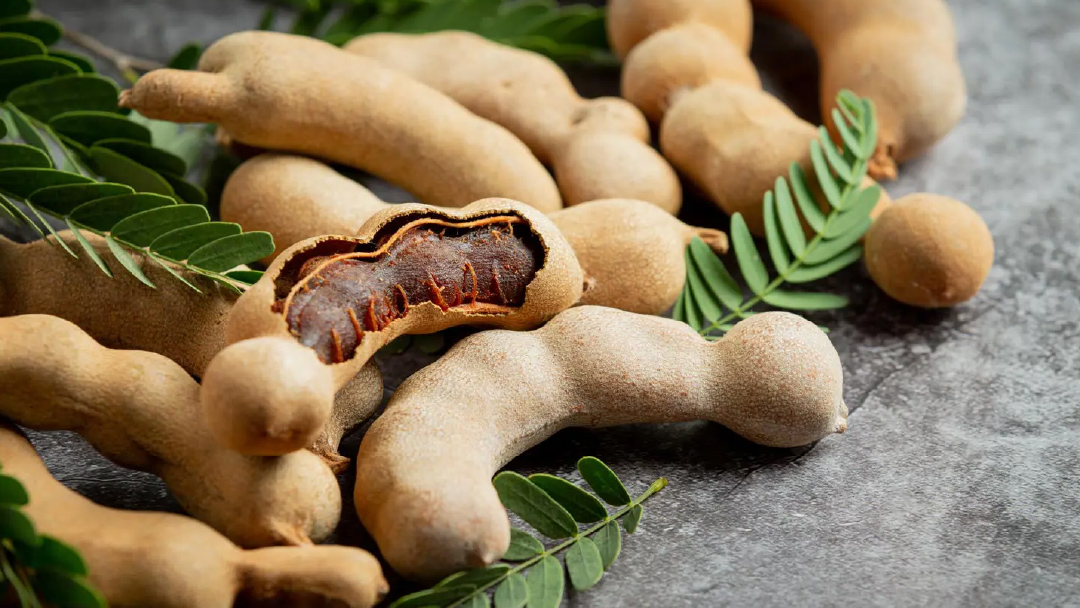
Tamarind is a tropical fruit that grows in long brown pods on the tamarind tree (Tamarindus indica). Inside the pod is a sticky dark pulp surrounding hard seeds. This pulp is the part used in cooking, drinks, sauces, candies and cocktails.
Originally native to Africa, tamarind spread centuries ago throughout India, Southeast Asia, the Middle East and Latin America, where it became deeply rooted in local cuisines and street food culture.
Today, tamarind is used in everything from curries and soups to candies, soft drinks and marinades.
What makes tamarind so unique is its ability to combine sweetness and acidity naturally in one ingredient. The flavor feels rich and deep, while still bringing freshness and brightness.
What does Tamarind taste like?
Tamarind has a flavor profile that is difficult to compare to just one fruit. It is simultaneously sweet, sour, fruity and slightly earthy.
Depending on how it is used, tamarind can remind people of:
- lime
- dried fruits
- dates
- green apple
- caramel
- citrus
- subtle umami
Unlike citrus, tamarind acidity feels softer and rounder. It adds freshness without becoming sharp or overly crisp. That makes it particularly interesting in cocktails and food pairing.
For bartenders, tamarind is exciting because it adds both structure and complexity. It can brighten a drink while also giving depth and texture.

Tamarind in Southeast Asian cuisine
In many Asian countries, tamarind is an everyday ingredient. It is widely used in Indonesia, Thailand, Malaysia, the Philippines and India, where it appears in soups, sambals, curries, sauces, marinades and refreshing drinks.
In Indonesian cuisine, tamarind is often used to create balance. Sweetness, sourness, spice and savory elements are brought together into one layered flavor experience.
One of the best examples of this is roedjak (or rujak): a traditional Indonesian fruit dish combining tropical fruit with a bold dressing made from ingredients such as tamarind, palm sugar, chili and sometimes shrimp paste or peanuts.
rujak is vibrant, refreshing, spicy and deeply nostalgic for many Indonesians and Indo communities. It perfectly reflects the kind of flavor contrast that makes Indonesian cuisine so unique.
That balance became one of the key inspirations behind our Spiced Tamarind Liqueur.
Tamarind and Rempah
Tamarind is not technically a spice, but it naturally fits within the philosophy of Rempah.
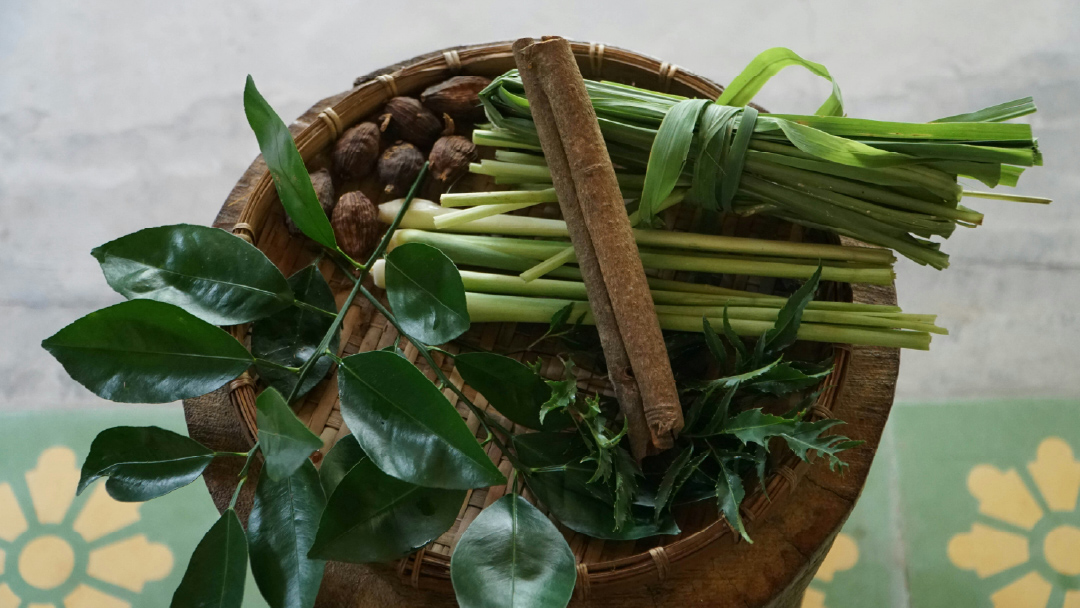
In Indonesia and Malaysia, Rempah refers to the use of layered spice combinations that create warmth, depth, aroma and familiarity. It is the flavor foundation behind many traditional dishes and family recipes.
At Bandoeng’22, Rempah is more than just spices. It is our inspiration source. The “spice cabinet of grandma,” where sweet aromas, herbs, spices and memories come together.
Tamarind works beautifully within that world because it connects sweetness, acidity and spice into one flavor direction. It brings contrast, but also harmony.
Why Tamarind works so well in cocktails
Cocktails are increasingly moving toward more layered and culinary flavor profiles. Bartenders are looking beyond simple sweetness and citrus acidity, searching for ingredients that add depth and originality.
Tamarind offers exactly that. Its sweet-and-sour character works particularly well with:
- rum
- tequila
- whiskey
- ginger
- chili
- lime
- pineapple
- coconut
- cucumber
Because tamarind naturally feels rich and rounded, it creates cocktails with more body and texture compared to citrus-driven drinks. For bartenders, tamarind is not simply another fruit flavor. It is a serious modern cocktail ingredient with both versatility and identity.

Inspiration behind Spiced Tamarind Liqueur
With Bandoeng’22 Spiced Tamarind Liqueur, we wanted to capture a flavor profile inspired by Indonesian roedjak and Southeast Asian flavor balance.
The result is a liqueur that combines sweet, sour, spicy and slightly savory notes into one layered experience. Familiar enough to enjoy immediately, yet complex enough to keep discovering.
The liqueur is partly made with Indonesian arrack and developed specifically for cocktails, highballs or neat, with or without ice.
Just like our Pandan Liqueur, this product is rooted in Asian flavors, very layered and crafted with a modern cocktail perspective.
Help us launch Spiced Tamarind Liqueur
We recently launched a new crowdfunding campaign through CrowdAboutNow for the production and introduction of our second product Bandoeng’22 Spiced Tamarind Liqueur.
The future of Tamarind in cocktails
As Asian flavors continue growing in popularity within hospitality and cocktail culture, tamarind feels like a natural next step.
Consumers are increasingly open to flavors that are more adventurous, layered and internationally inspired. Bartenders meanwhile continue searching for ingredients that stand out and offer something genuinely different.
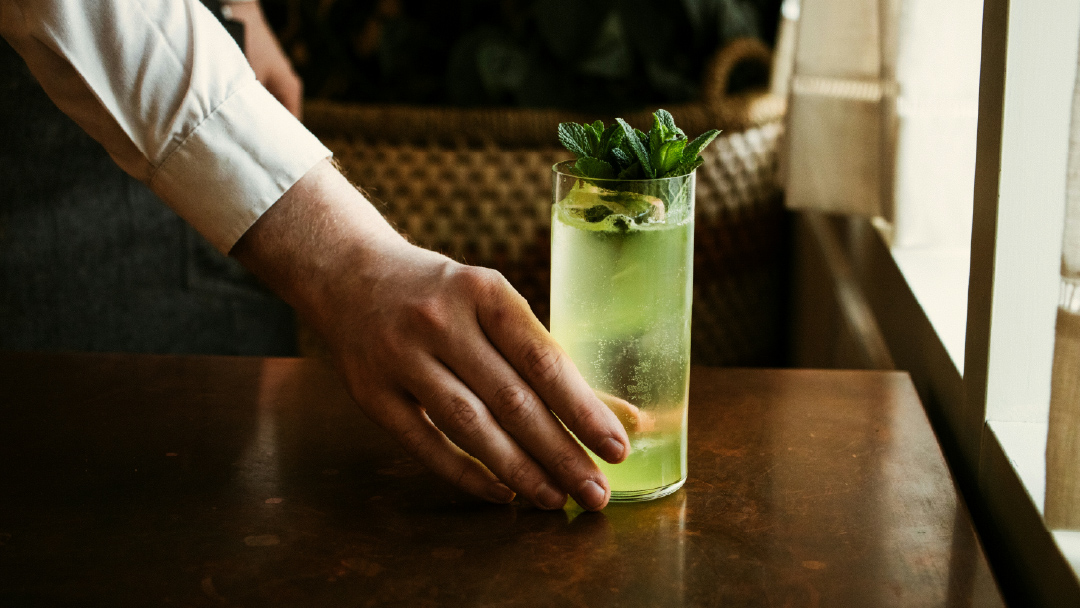
Discover our favorite tamarind cocktails we call the Bandoeng’22 Spiced Tamarind Liqueur Perfect Serves; Tamarind Highball, Tamarind Paloma, Tamarind Sour, Tamarind Mule or Spiced Tamarind Rujak Cocktail