
Indonesia’s Bold Balance of Sweet, Sour and Spice
What is rujak? Some dishes are more than food. They are memories, street culture, childhood and tradition brought together into one flavor experience. In Indonesia, one of the best examples of this is rojak, also written as roedjak.
Fresh fruit, spice, sweetness, acidity and sometimes even savory elements all come together in a dish that feels vibrant, refreshing and intensely layered. For many Indonesians and Indo communities, roedjak is instantly recognizable: nostalgic, bold and full of contrast.
At Bandoeng’22, roedjak became one of the key inspirations behind our Spiced Tamarind Liqueur.
What is Rujak exactly?
Rujak is a traditional Indonesian fruit dish known for combining sweet, sour, spicy and savory flavors into one bold experience.
Unlike a typical fruit salad, rodjak is all about contrast. Fresh fruits are combined with a rich dressing or sauce made from ingredients such as:
- tamarind
- palm sugar
- chili
- peanuts
- shrimp paste
- lime
- salt
The fruits commonly used in roedjak include:
- apple
- pineapple
- mango
- cucumber
To finish the dish, crushed peanuts are often sprinkled over the top, adding texture and a subtle nutty richness.
Depending on the region and style, rodjak can taste refreshing and fruity, or deep, spicy and almost savory. Across Indonesia, countless local variations exist. Some versions focus mainly on fresh fruit and sweet tamarind dressing, while others become much more intense and spicy. What all styles share is balance.
What does Rujak taste like?
Rujak is difficult to describe in just one word because the experience constantly shifts between different flavor directions.
It can taste:
- sweet
- sour
- spicy
- salty
- fruity
- fresh
- umami
- nutty
One bite may feel refreshing and juicy, while the next brings chili heat, tangy tamarind or deep palm sugar richness. That layered contrast is exactly what makes roedjak so unique.
For people unfamiliar with Indonesian cuisine, roedjak can feel surprisingly modern because it combines flavors in a way that today’s cocktail and culinary world increasingly appreciates: bold, balanced and multidimensional.

Rujak in Indonesian street food culture
In Indonesia, rujak is deeply connected to street food culture and everyday life. It is commonly sold by street vendors, local markets and family-run food stalls. The fruits are often freshly cut to order, then mixed with sauce moments before serving.
For many Indonesians and Indo families, roedjak is strongly connected to childhood memories, warm weather, family gatherings and afternoon snacking.
It is not simply about eating fruit. It is about craving flavor contrast.
Tamarind: the heart of Rujak
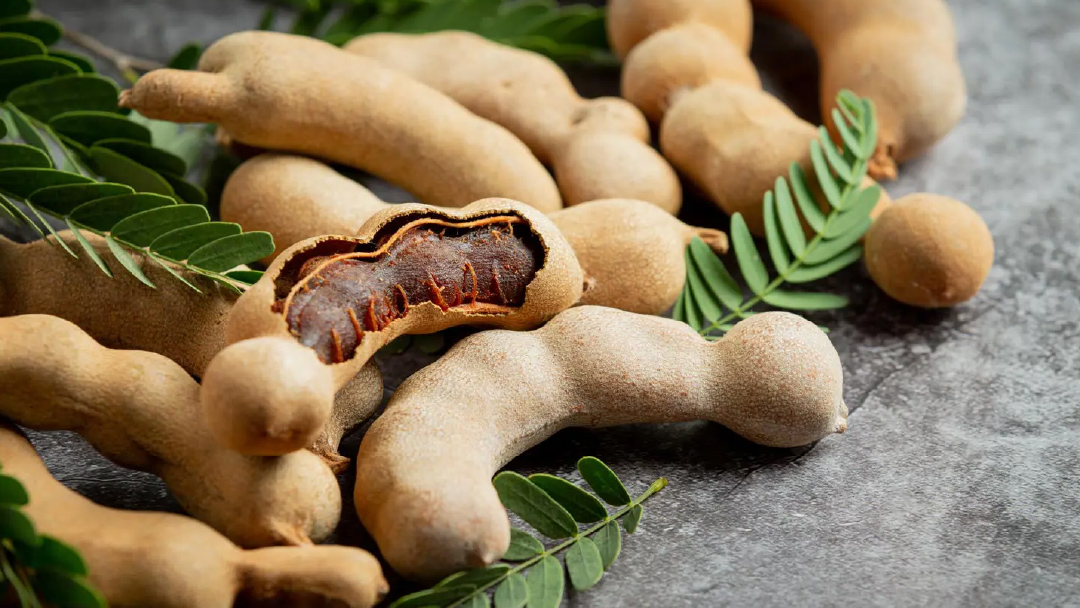
One of the defining ingredients in many rujak recipes is tamarind.
Tamarind gives rujak its signature sweet-and-sour backbone while connecting beautifully with palm sugar and chili. It creates freshness, depth and a slightly sticky richness that makes the sauce incredibly addictive.
Without tamarind, rujak loses much of its identity. For us, tamarind became the natural starting point for translating the spirit of rojak into a cocktail-friendly flavor profile. More about tamarind.
Rujak and Rempah
Rujak perfectly reflects the philosophy behind Rempah.
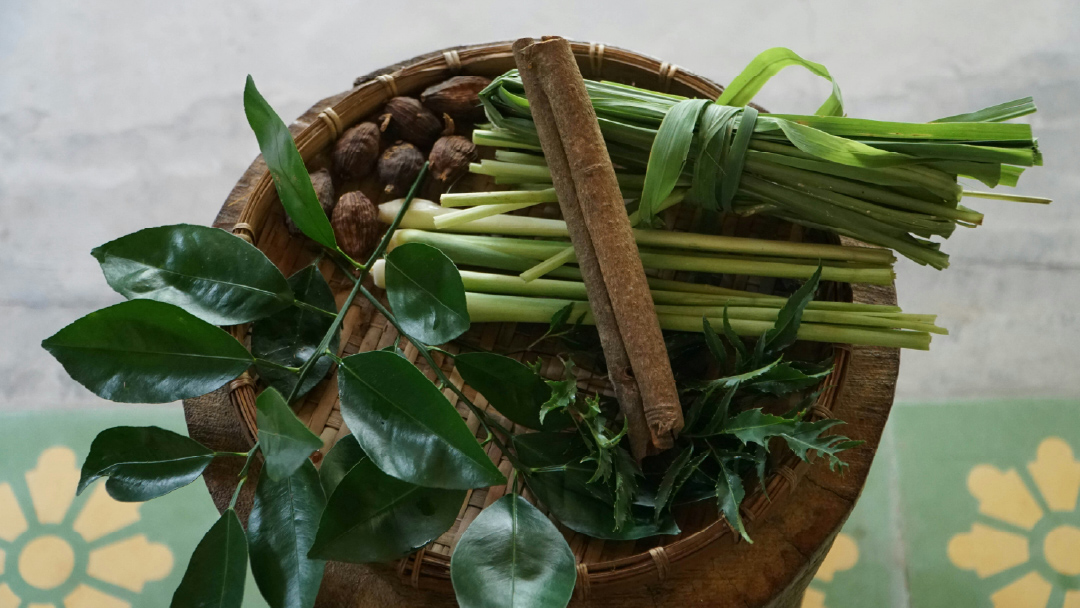
In Indonesian cuisine, Rempah refers to the layered use of spices, herbs and aromatics to create warmth, complexity and balance. It is about combining ingredients in a way where no single flavor dominates completely.
Rujak follows that same principle. Sweetness, acidity, spice and savory depth all support each other. The result is vibrant and expressive, yet balanced. That layered approach continues to inspire us at Bandoeng’22, not only in food, but also in cocktails and liqueurs.
Why Rujak flavors work so well in cocktails
Modern cocktails increasingly move beyond simple sweetness and citrus. Bartenders today look for ingredients and flavor combinations that feel more culinary, layered and memorable. Rujak flavors naturally fit that movement.
The combination of:
- tamarind
- tropical fruit
- chili
- spice
- sweetness
- acidity
creates cocktails with depth, freshness and a distinctive signature.
These flavors work especially well with:
- rum
- vodka
- tequila
- whiskey
- gin
- arrack
- ginger
- lime
- pineapple
- soda
- cucumber
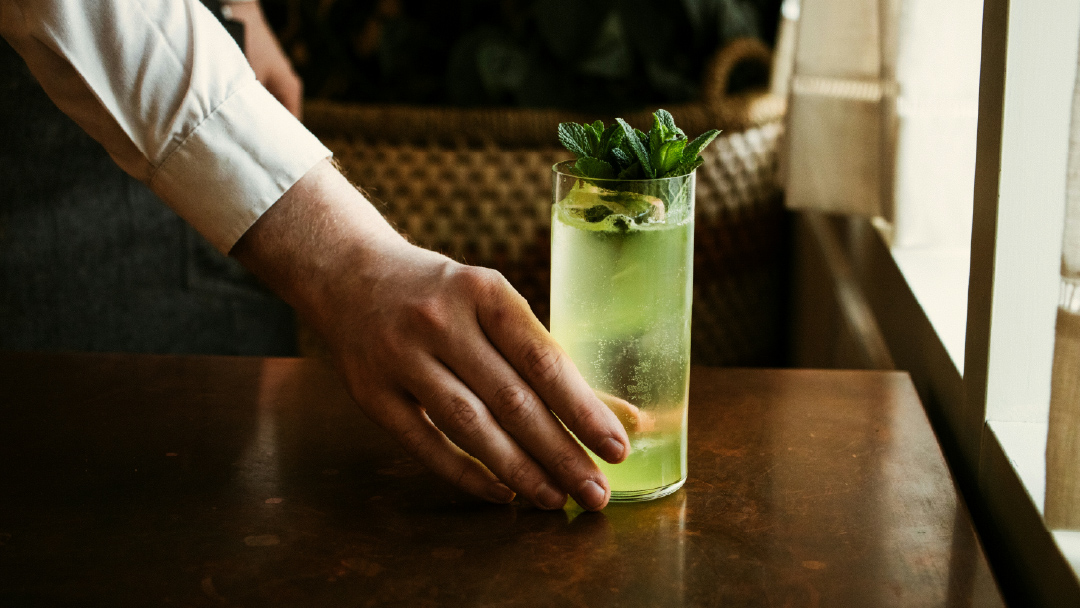
Rujak-inspired cocktails can feel tropical and refreshing, while still carrying spice and complexity. Discover our favorite tamarind cocktails we call the Bandoeng’22 Spiced Tamarind Liqueur Perfect Serves; Tamarind Highball, Tamarind Paloma, Tamarind Sour, Tamarind Mule or Spiced Tamarind Rujak Cocktail

Inspiration behind Spiced Tamarind Liqueur
When developing a second liqueur after our Pandan Liqueur, we started by asking ourselves a few important questions: Who are we? What do we make? And where do we come from?
The answer naturally brought us back to Indonesia, to Rempah, and to the flavors connected to our childhood memories. Family gatherings. Eating together. Sharing food. Street flavors. Sweetness, spice, acidity and warmth all coming together around the table.
For us, Rempah is more than just spices. It is a source of inspiration deeply connected to memory, culture and flavor identity. Rodjak perfectly reflects that philosophy because it combines contrast and balance in such a vibrant way.
With Bandoeng’22 Spiced Tamarind Liqueur, we wanted to capture that layered flavor direction, not by literally recreating the dish, but by translating its soul into a modern liqueur made for cocktails and food pairing.
Sweet tamarind, warming spices, subtle savory depth and Indonesian inspiration come together in a flavor profile that feels both familiar and unexpected.
The liqueur is partly made with Indonesian arrack and developed specifically for bartenders, highballs and modern tropical cocktails.
Help us launch Spiced Tamarind Liqueur
We recently launched a new crowdfunding campaign through CrowdAboutNow for the production and introduction of our second product Bandoeng’22 Spiced Tamarind Liqueur.
The future of Rujak-inspired flavors
As Asian flavors continue growing within hospitality and cocktail culture, roedjak-inspired flavor profiles feel increasingly relevant.
Consumers are becoming more open to flavors that combine sweetness with spice, acidity and savory depth. Bartenders meanwhile continue searching for ingredients and stories that stand apart from traditional cocktail categories.
Rujak offers exactly that. It is vibrant, layered, nostalgic and bold, the kind of flavor experience modern cocktails are moving toward.