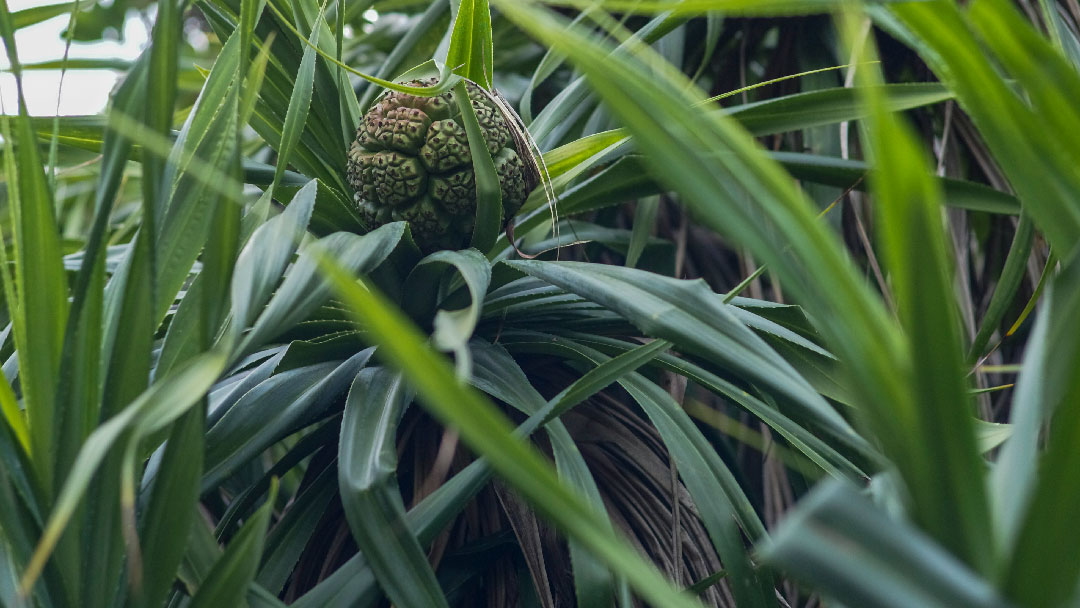
Why is pandan green? The answer is simple: pandan leaves are naturally rich in chlorophyll, the pigment that gives many plants their green colour. Chlorophyll plays a central role in photosynthesis, and because it reflects green wavelengths of light, leaves appear green to our eyes.
That natural green color is one of pandan’s most recognisable features. Alongside its aroma and flavour, the vivid green character of pandan helps make it instantly memorable in Southeast Asian food and drink culture.
What makes pandan green?
Pandan is green because its leaves contain chlorophyll, just like many other green plants. When the leaves are fresh, that pigment is clearly visible in their deep green appearance. When pandan is blended, crushed or processed into juice or extract, some of that natural pigment can also be carried into the preparation.
That is why pandan is loved not only for its fragrance, but also for its appearance. Its color feels fresh, vibrant and distinctive, which makes pandan easy to recognise even before you taste it.
How pandan gives food and drinks their green color
When pandan leaves are used directly in cooking or extraction, they can naturally tint foods and drinks green. Singapore’s National Parks notes that the chlorophyll pigments in pandan leaves can color foods green, which matches how pandan is traditionally used in many Southeast Asian kitchens.
Why are pandan desserts often green?
Pandan desserts are often green because pandan juice or pandan extract is mixed into batters, doughs, custards or creams. The color then becomes a visual cue for the flavor: fresh, fragrant and unmistakably pandan.
That visual identity matters. In many desserts, the green shade does more than decorate. It signals aroma, flavor and tradition. It tells people immediately that pandan is part of the experience.
Why pandan drinks can look green
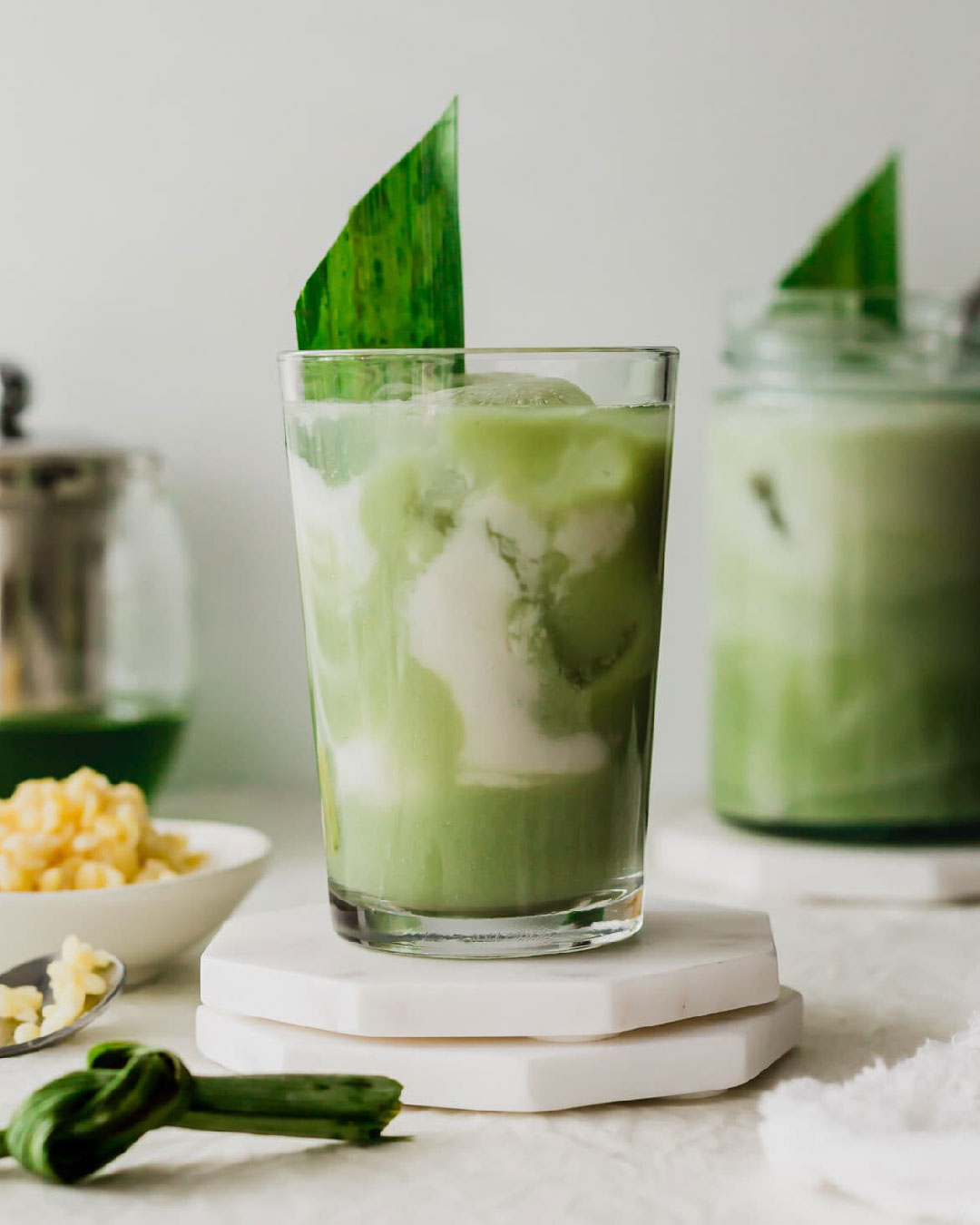
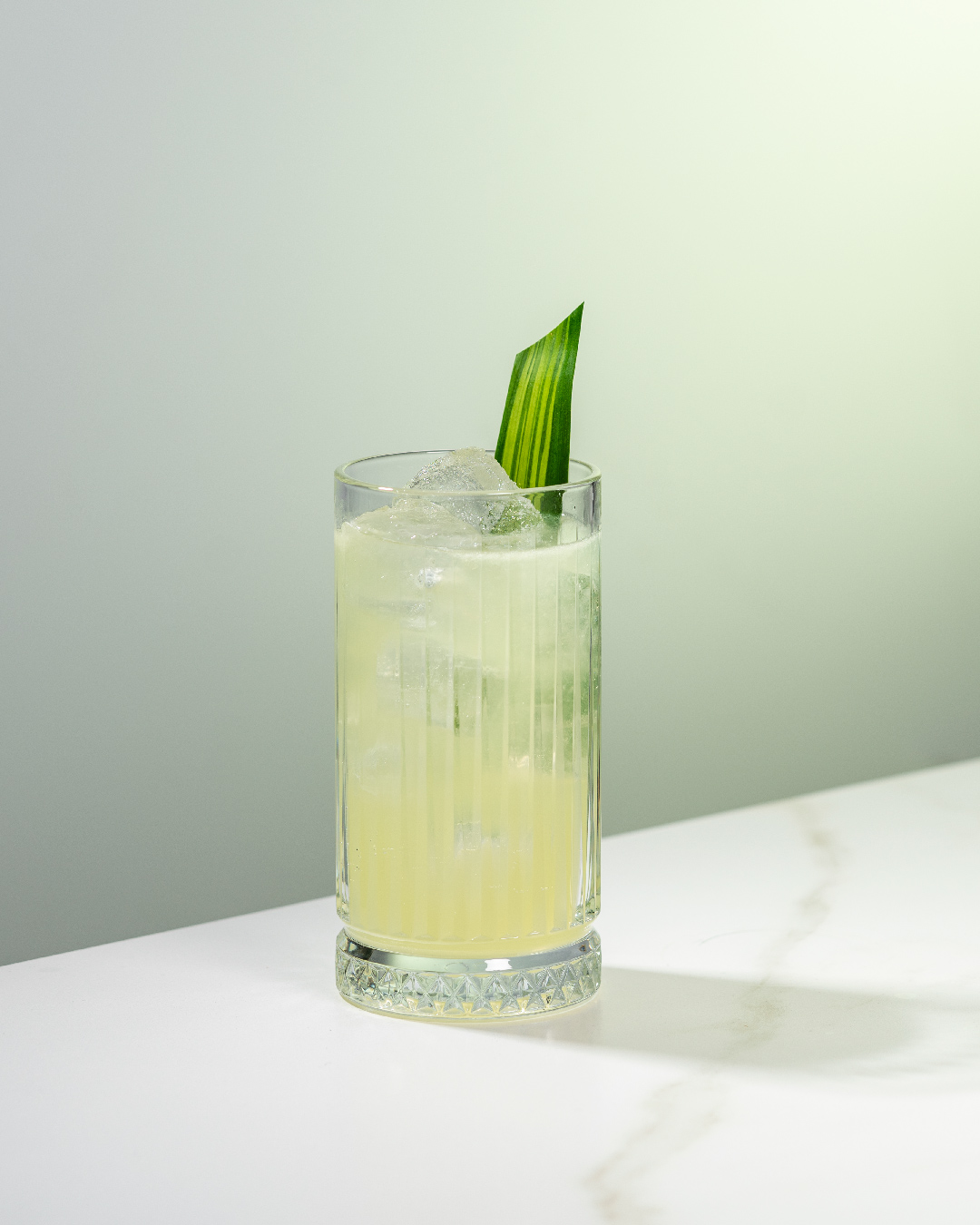
Pandan drinks can also take on a green hue when pandan leaves are infused, blended or extracted into the liquid. The exact shade can vary from pale green to a more vibrant tone depending on the recipe, the concentration and the other ingredients used.
This is one of the reasons pandan works so well in modern drinks. It brings not only aroma and flavor, but also a natural visual signature that feels fresh and inviting.
The green color of pandan as a flavor cue
One of the most interesting things about pandan is that its color has become part of how people recognise the ingredient. Green in pandan-based drinks and desserts is not random. It has become a familiar cue for something fragrant, soft and Southeast Asian in character.
That makes pandan especially attractive in hospitality and cocktails. The ingredient offers an immediate point of recognition on the plate and in the glass.
How Bandoeng’22 captures the color of pandan
At Bandoeng’22, pandan is appreciated for three qualities in particular: aroma, taste and color. The green character of pandan helps give Bandoeng’22 its distinctive visual world. It supports the brand’s emerald-green identity and adds appeal to cocktails, serves and presentation. In that sense, the color of pandan is not just botanical background information. It is part of the emotional and visual language of the brand.

Why pandan’s green color still fascinates people
Pandan’s color feels natural, elegant and full of character. It connects plant, flavor and presentation in a way that few ingredients do. That is why people remain curious about it, whether they first encounter pandan in a cake, a latte, a cocktail or a liqueur.
If you are discovering pandan for the first time, its green color is often the first invitation. The aroma and taste usually follow right after.
Discover pandan through Bandoeng’22
Curious how pandan’s aroma, taste and green character come together in one bottle? Discover Bandoeng’22 Pandan Liqueur and explore our world of pandan cocktails, desserts and Asian-inspired serves.
Frequently asked questions about the colour of pandan
Why is pandan green?
Pandan is green because its leaves contain chlorophyll, the natural pigment responsible for the green colour of many plants.
What colour is pandan?
Pandan is best known for its vibrant green colour, especially in its leaves and in pandan-based desserts and drinks.
Does pandan naturally colour food and drinks?
Yes. Pandan juice and extract can naturally tint foods and beverages green when the leaves are used directly.
Why are pandan desserts green?
Pandan desserts are often green because pandan extract or juice is mixed into batters, doughs and custards, giving them their recognisable color.
How is the color of pandan used in Bandoeng’22?
Bandoeng’22 uses pandan not only for aroma and flavor, but also for its iconic green character, which makes the liqueur visually distinctive in cocktails and serves.
Do you want to know more about Pandan?
From here, you can discover more about pandan through our related insights on its aroma, taste and color, learn why Bandoeng’22 is known for its emerald green character, and explore how pandan works beautifully in cocktails, desserts and Asian food pairings. You can also visit our product page to discover the story and flavor behind Bandoeng’22 Pandan Liqueur.