Over the past few years, pandan has quietly emerged from a traditional Southeast Asian ingredient into one of the most exciting flavors behind the bar. From cocktail bars in Amsterdam and Berlin to venues in San Francisco, Copenhagen, and Sydney, more bartenders are discovering the versatility of pandan and incorporating it into modern cocktail menus.
But what exactly makes pandan so appealing to bartenders? The answer lies in its unique flavor profile, its versatility in cocktails, and its ability to offer guests something genuinely different.
What is pandan?
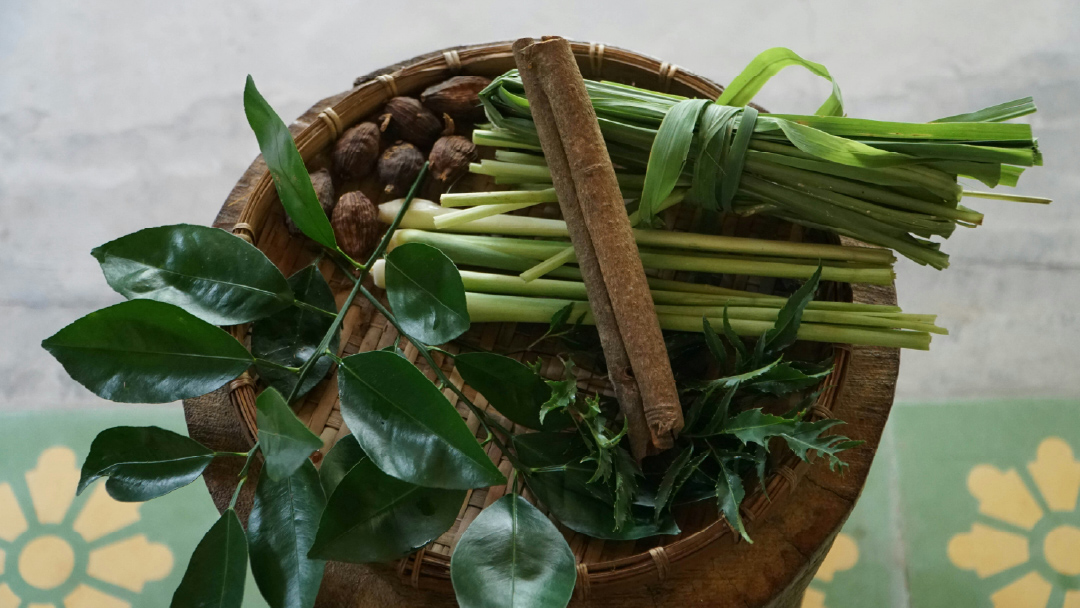
Pandan (Pandanus amaryllifolius) is a tropical plant widely used throughout Southeast Asia. For generations, it has been an essential ingredient in both sweet and savory dishes in countries such as Indonesia, Thailand, Malaysia, Singapore, and the Philippines.
Often referred to as the “vanilla of Southeast Asia,” pandan is known for its distinctive aroma. Its flavor is difficult to compare to a single Western ingredient, which is exactly what makes it so intriguing.
Depending on how it is used, pandan can deliver notes of:
- Vanilla
- Toasted rice
- Coconut
- Fresh grass
- Nuts
- Floral aromas
This complexity gives bartenders a completely new flavor tool to work with. More information about pandan, click here.
Guests are looking for new flavors
Modern cocktail drinkers are becoming increasingly adventurous. While classic cocktails remain popular, guests are also looking for unique experiences and unfamiliar flavors.
For years, ingredients such as yuzu, matcha, shiso, calamansi, and Japanese whisky have helped shape cocktail trends. Pandan is now following a similar path. Unlike many trend-driven ingredients, pandan offers something that feels both exotic and approachable. Its naturally sweet and aromatic character is easy for guests to enjoy, even when they are tasting it for the first time.
For bartenders, this creates an opportunity to surprise guests without moving too far outside their comfort zone.
Pandan works across multiple cocktail styles
One reason bartenders enjoy working with pandan is its remarkable versatility. Unlike ingredients that only fit within a specific category, pandan works across a wide range of cocktail styles.
Tropical cocktails
Pandan pairs naturally with rum, coconut, pineapple, passion fruit, mango, and citrus. This makes it a perfect addition to tiki-inspired drinks and tropical serves.
Classic cocktails
Bartenders are increasingly experimenting with pandan twists on classics such as the Negroni, Margarita, Last Word, Daiquiri, and Espresso Martini. The ingredient adds complexity without overwhelming the original character of the cocktail.
Contemporary creations
Pandan also shines in modern signature cocktails, where bartenders use it as a bridge between familiar and unexpected flavors. Its aromatic profile can soften bitter ingredients, complement spices, and enhance fruit-driven cocktails.
A natural partner for Asian cuisine
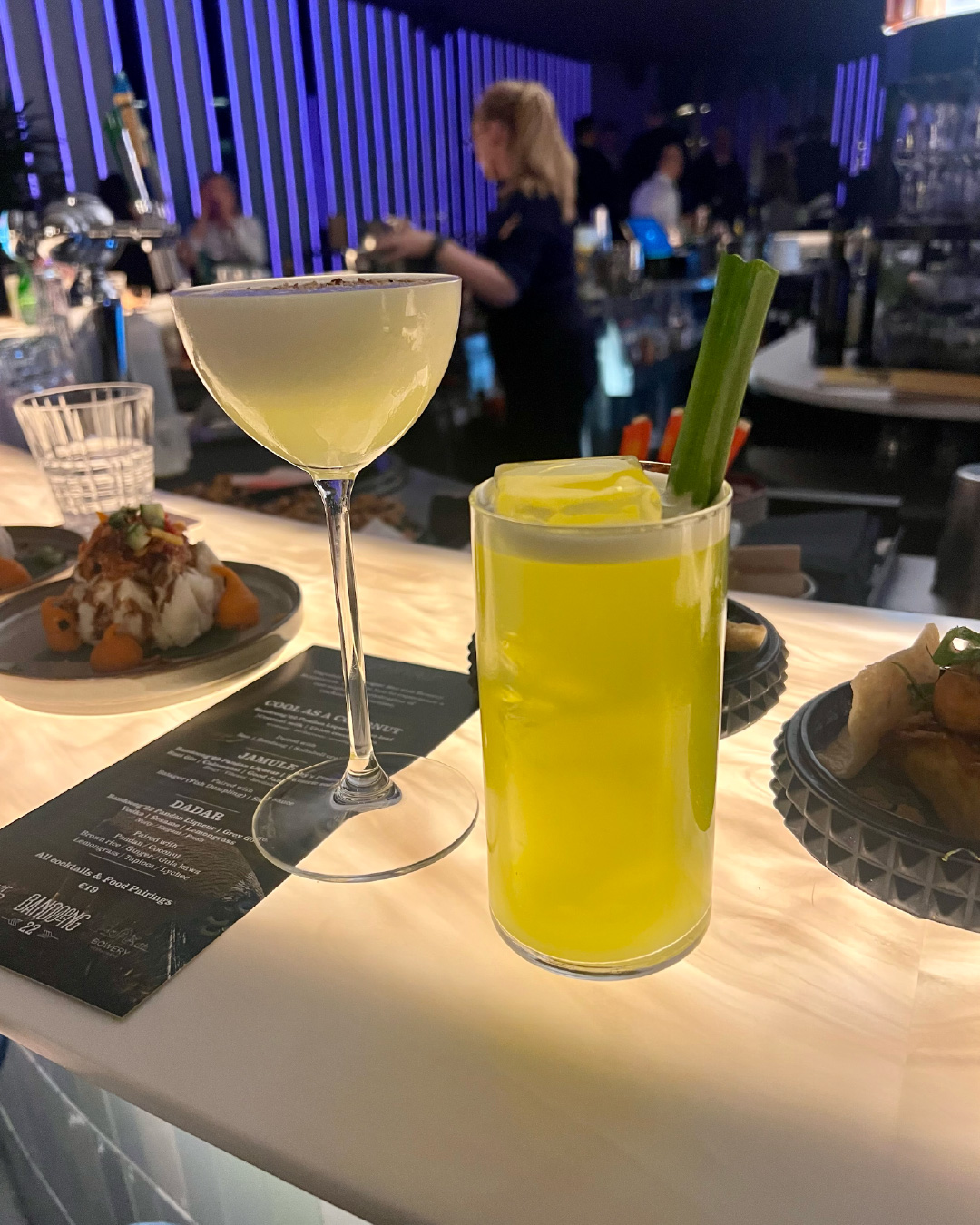
As Asian restaurants continue to gain popularity worldwide, bartenders are looking for ingredients that connect naturally with these cuisines. Pandan provides exactly that connection.
Whether paired with Indonesian, Thai, Vietnamese, Malaysian, Filipino, Japanese, Korean, or modern Asian-fusion dishes, pandan offers flavor familiarity that can elevate the overall dining experience. This makes pandan-based cocktails particularly attractive for restaurant beverage programs seeking a stronger connection between food and drink.
Social Media loves pandan
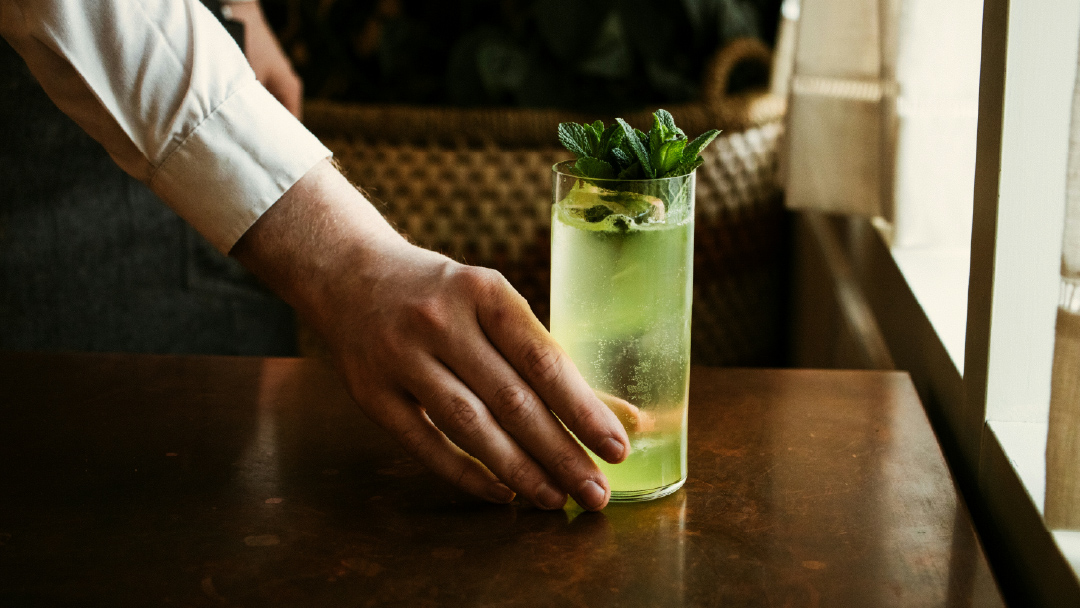
There is another reason pandan has gained attention in recent years: it photographs beautifully. The ingredient is often associated with vibrant green colors, tropical ingredients, and visually striking cocktails. In an era where social media plays an important role in beverage trends, pandan offers both visual appeal and an interesting story.
Guests frequently ask questions such as:
- What is pandan?
- Why is the cocktail green?
- What does it taste like?
For bartenders, these questions create valuable opportunities for engagement and storytelling.
The search for authenticity
Perhaps the biggest reason behind pandan’s rise is the industry’s growing focus on authenticity. Today’s bartenders are increasingly interested in exploring ingredients that have deep cultural roots rather than simply chasing trends.
Pandan has been used throughout Southeast Asia for centuries. It carries a rich culinary heritage and offers genuine cultural significance.
For many bartenders, incorporating pandan is not simply about adding a new flavor to a cocktail. It is about introducing guests to an ingredient that tells a story about place, tradition, and culture.
Why we fell in love with pandan
At Bandoeng’22, pandan is more than just an ingredient. As founders with Dutch-Indonesian roots, pandan represents memories of family gatherings, traditional desserts, shared meals, and the flavors that connected generations.
When we created Bandoeng’22 Pandan Liqueur, our goal was not simply to bottle a flavor. We wanted to translate a beloved Southeast Asian ingredient into a format that bartenders could easily use in cocktails while remaining true to its heritage.
Today, we are proud to see bartenders across Europe, North America, and Australia experimenting with pandan in their own creations and introducing new audiences to this remarkable ingredient.
Discover the possibilities of pandan
Whether you’re a professional bartender, a cocktail enthusiast, or simply curious about new flavors, pandan offers endless opportunities for exploration.
From tropical serves and classic cocktail twists to innovative signature creations, pandan continues to prove why it is becoming one of the most exciting ingredients in the modern cocktail world. Explore our collection of pandan cocktail recipes and discover why more bartenders are falling in love with pandan every year.